
Health-first pruning: deadwood removal, structural correction, disease control, and young-tree training.
One free call connects you with an independent licensed tree pro who covers your ZIP code. The pro provides a free estimate — you decide from there.
(866) 313-3285 · 24/7 for emergencies
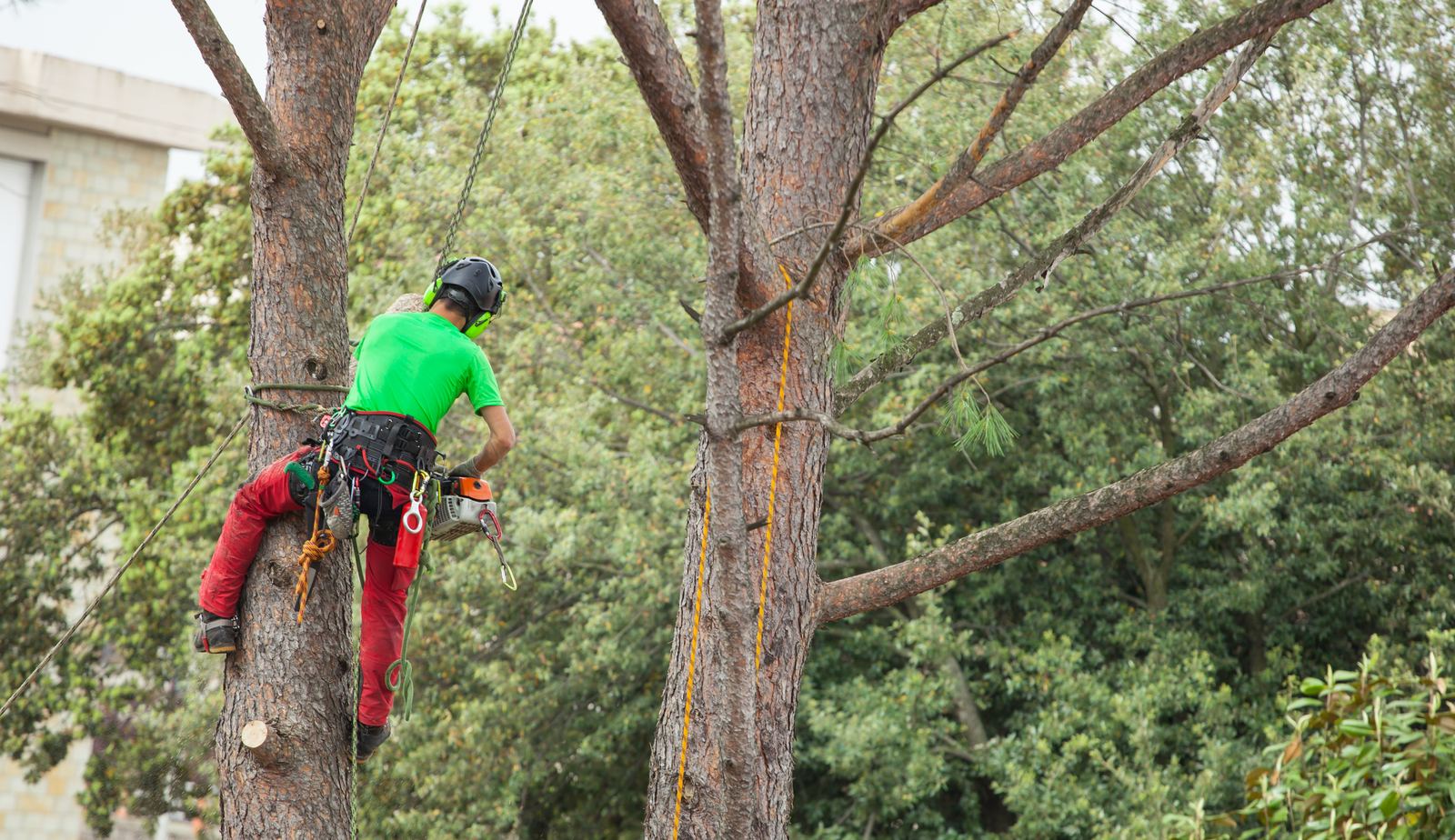
Pruning starts with a diagnosis, not a saw. The pro identifies deadwood, rubbing or crossing limbs, weak V-shaped unions, watersprouts, and disease entry points, then removes them with collar cuts the tree can seal. Structural pruning of young trees — establishing one dominant leader and well-spaced scaffold limbs — is the highest-return tree care that exists: twenty minutes with hand pruners at year five prevents the crane removal at year forty. On mature trees the priorities flip to deadwooding, selective thinning for wind flow, and reduction cuts that shift weight off compromised unions.
Young trees: structural pruning every 2–3 years for the first decade. Mature trees: deadwooding and inspection every 3–5 years. Fruit trees: annually in late winter.
Oak wilt, fire blight, and Dutch elm disease all enter through fresh wounds in the wrong season, and un-sanitized tools carry pathogens tree to tree. Timing and tool hygiene are why pruning is more than cutting.
Removing more than ~25% of live canopy in one season starves the tree and triggers stress sprouting. Crews that "clean out" half the canopy are doing damage you'll pay to correct later.
Bad pruning creates the co-dominant stems and included bark that split apart in storms a decade on. Structural pruning is storm damage prevention on a delay.
Call (866) 313-3285 — TreeCrewFinder connects you free of charge with an independent local pro who prunes for tree health, not just speed. You get their direct quote before any cutting happens.
Usually more than for a young one, in dollar terms: deadwooding removes exactly the limbs most likely to fall, and reduction cuts take weight off failure-prone unions. It's the difference between managing a mature asset and waiting for it to become an emergency.
In oak-wilt country — which includes much of the Midwest and parts of the South — only during full dormancy (roughly November through February), because the beetles that spread the fungus fly in the warm months and land on fresh cuts. Elsewhere the dormant season is still preferred. Storm-damaged oak limbs are the exception: remove promptly and seal cuts in wilt regions.
Depends on tree size, how much of the canopy needs work, access, and haul-away. A dormant-season deadwooding of one mature shade tree is a different job than restoring a storm-mangled canopy. The matched pro's estimate is free, as is our referral.
Often, if the problem is localized — removing infected limbs well below visible symptoms, opening the canopy for airflow, and reducing stress load buys many trees another healthy decade. If decay has reached the trunk or root flare, pruning becomes triage; an honest pro will tell you which case yours is.
Crown reduction shortens the tree by cutting leaders back to strong lateral limbs — keeping natural form, unlike topping. It's the right call when a tree has outgrown its spot, shades solar panels, or carries too much sail area over a structure.
No — with one exception. Wound dressings trap moisture and slow the tree's own compartmentalization; modern arboriculture leaves proper cuts open. The exception is oaks cut in oak-wilt regions during risky months, where immediate sealing blocks the beetle vector.
Forest trees self-prune fine. Yard trees don't live in forests — they grow deadwood over driveways, weak unions with no competition to constrain them, and canopies that trap storm wind. Skipping pruning doesn't save the money; it defers it, with interest, to a removal bid.
Free referral, free estimate from the pro, no obligation. Emergencies answered 24/7.
Call (866) 313-3285 — Free Referral