
Clearing brush piles, overgrowth, invasive thickets, and storm debris — with chipping and haul-away.
One free call connects you with an independent licensed tree pro who covers your ZIP code. The pro provides a free estimate — you decide from there.
(866) 313-3285 · 24/7 for emergencies
Brush removal covers the tangle: overgrown fence lines, invasive thickets (buckthorn, privet, multiflora rose, blackberry), storm debris piles, and the accumulated 'back corner' every rural property grows. Crews cut with saws and brush cutters, feed everything through a chipper on site, and either broadcast the chips as ground cover or haul them. Invasive work adds the critical step homeowners skip: treating cut stumps immediately with targeted herbicide so the thicket doesn't return doubled from the roots. For large-area brush, forestry mulching (see land clearing) often beats hand crews on cost.
Overgrowth control on rural properties: every 2–4 years on maintained edges. Invasive thickets: initial knockdown plus 1–2 seasons of follow-up on regrowth. Storm debris: as delivered by the weather.
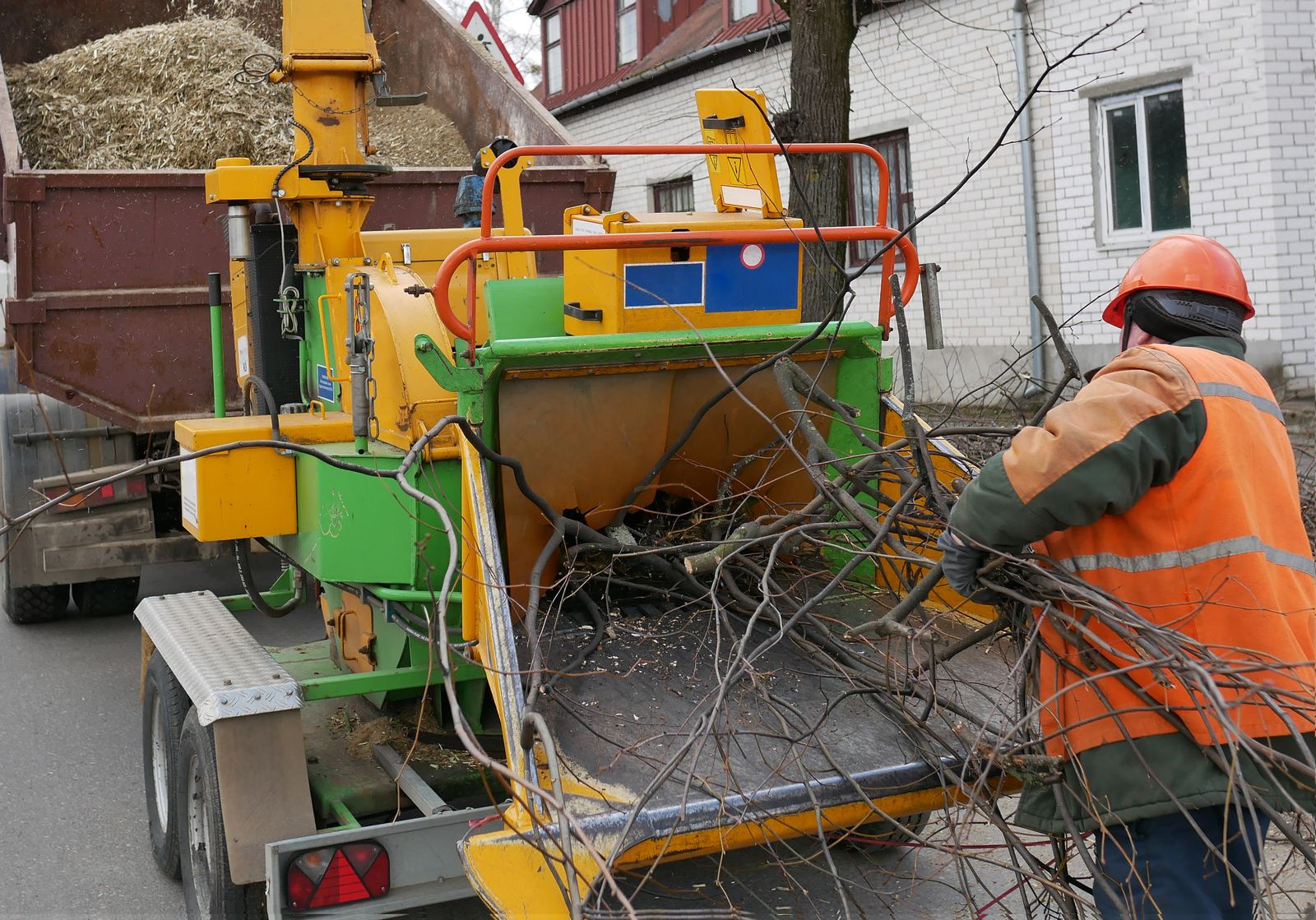
Wood chippers are unforgiving machines with a decades-long record of maiming operators who rushed a feed or wore loose clothing. Rental chippers plus fatigue is a bad equation — this is cheap work to hire out relative to its risk.
Blackberry and multiflora draw blood; poison ivy vines thick as your wrist grow through brush lines, and burning them puts urushiol in the smoke — a hospital-grade mistake. Crews recognize what they're cutting.
Long-standing brush piles house snakes, wasp nests, and ground bees. Disturbing them in late summer is memorable. Pros probe piles before diving in.
Call (866) 313-3285 — TreeCrewFinder matches you free with an independent local crew with a chipper. Describe the pile or thicket honestly (photos help the pro's phone estimate): how tall, how long, what's growing in it, how close a truck can park.
Priced by volume, density, and disposal: a crew-hour rate or a per-load haul rate is common. Chipping on site with chips left is the budget option; hauling everything raises it. Thorn thickets and poison-ivy-laced lines price higher than clean saplings — for reasons the crew's forearms will explain.
Cut it low, treat every stump with the right herbicide within minutes (not days), and plan a follow-up pass on seedlings next season. Skipping the stump treatment is why homeowners fight the same thicket for a decade. Ask for the cut-stump-treat approach when you book.
Usually the best answer: chips suppress regrowth, hold soil moisture, and save the haul fee. Keep chip depth reasonable (2–4 inches) near trees you like, and don't pile chips against trunks. The exception is diseased wood — some pathogens ride chips; crews know which.
Where open burning is legal and the season allows, a burn pile is cheap — and it's also how a striking number of grass fires start, plus poison ivy smoke is genuinely dangerous. Check local burn rules first. Most residential jobs come out ahead chipping.
Three tools: stump-treating woody regrowth, mowing or bush-hogging the area at least annually so seedlings never harden, and establishing something you want there instead — grass, groundcover, or mulch. Bare disturbed soil is an invitation.
Most will take organic debris — old firewood, rotted timbers, leaf piles — as part of the load. Construction debris, treated lumber, and trash are a different disposal stream; mention them so the quote covers reality.
A crew with a good chipper eats a pickup-truck-size pile in well under an hour; a season of storm debris across a fence line is a half-day. It's satisfying work to buy — the yard changes shape before your eyes.
Free referral, free estimate from the pro, no obligation. Emergencies answered 24/7.
Call (866) 313-3285 — Free Referral