
Building-lot preparation — removing trees, stumps, and brush from residential lots so construction can start.
One free call connects you with an independent licensed tree pro who covers your ZIP code. The pro provides a free estimate — you decide from there.
(866) 313-3285 · 24/7 for emergencies
Lot clearing is land clearing's precision sibling: smaller footprint, tighter boundaries, neighbors close enough to care, and a construction schedule waiting on you. The sequence: survey and mark the boundaries and keeper trees, utility locates, fell and remove trees (often craned out on tight infill lots), grub out stumps and roots from the build footprint (full removal, not grinding, under any slab or drive), then rough-grade. On infill lots the logistics dominate — where the crane sets up, where trucks stage, protecting the neighbor's fence and the sidewalk from track equipment.
Once per build. The related recurring job is the pre-listing cleanup: clearing scrub and deadwood so a for-sale lot shows its actual size and slope.
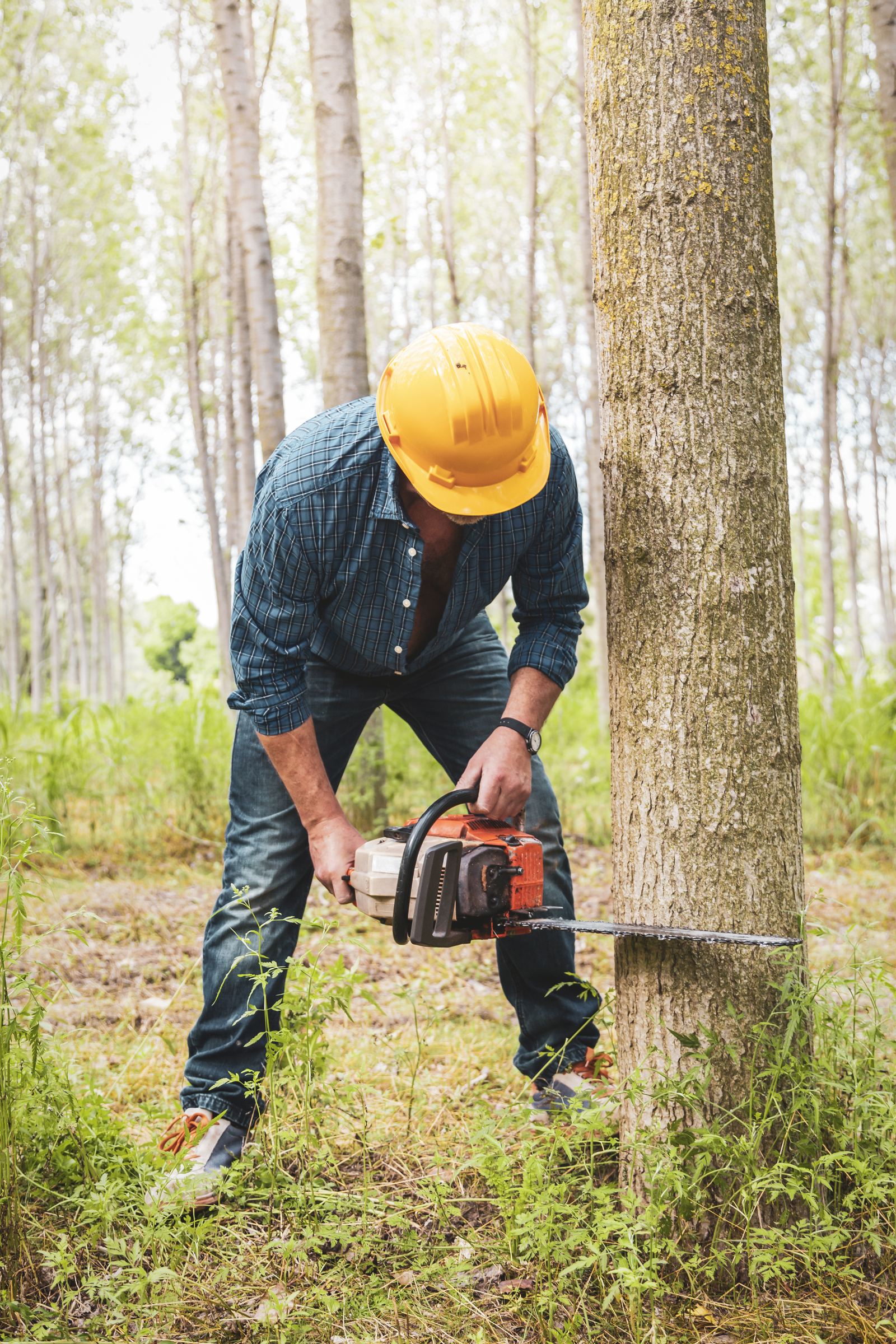
A lot 60 feet wide with houses both sides leaves zero room for a bad hinge. Sectional dismantling and craning replace open-field felling; that's the skill you're hiring.
The tree half on your line is half your neighbor's — legally and socially. Survey first, talk to the neighbor early, and let the pro document condition before touching shared trees.
Old foundations, cisterns, and abandoned utility stubs live under urban lots. Locates plus a cautious first grading pass beat a cracked excavator bucket and a change order.
Call (866) 313-3285 with the lot size and your builder's timeline — TreeCrewFinder refers you free to an independent local pro who handles lot work, including tight-access urban lots where craning and careful staging matter more than raw horsepower.
Driven by tree count and size, stump grubbing scope, access, disposal, and how close the neighbors are (tight lots take rigging time). A lightly treed quarter-acre differs enormously from a wooded infill lot between two occupied houses. Free walk-through and quote from the matched pro.
Best practice: clear and grub the construction footprint plus equipment access and staging, and aggressively protect everything you're keeping. Whole-lot scalping is simpler for the excavator and worse for the finished property — mature keeper trees routinely add five figures of value to a new build.
Clearing removes what's above ground; grubbing digs out stumps and root mass below. Under any structure, slab, or driveway you need grubbing and compacted backfill — buried wood decomposes and settles. In future lawn areas, grinding stumps is fine and cheaper.
Usually the owner or builder pulls the permit, and many cities require a tree survey and protection plan with it — some ordinances protect trees above a set diameter even on private lots. The local pro knows the ordinance; looping them in before the permit application saves redesign.
It had better not — but vibration, dropped limbs, root damage to shared trees, and track equipment on shared drives are real risks that professionalism manages. Verify the pro's insurance covers property damage, document pre-existing conditions with photos, and give neighbors a heads-up. Good crews do all three unprompted.
One to three days for typical residential lots; tight-access lots with craning run longer. The schedule risk isn't the cutting — it's disposal logistics and weather windows for grading. Get the timeline in the quote if a builder is waiting.
On a single residential lot, rarely worth a sawmill's mobilization — but ask anyway: a few big straight oaks or walnuts might interest a local mill or woodworker, and firewood-length logs left stacked can offset hauling. Every dollar of wood value is a dollar off clearing cost.
Free referral, free estimate from the pro, no obligation. Emergencies answered 24/7.
Call (866) 313-3285 — Free Referral